Uncategorized
Return to Previous PageShowing 457–468 of 875 results
$338.00
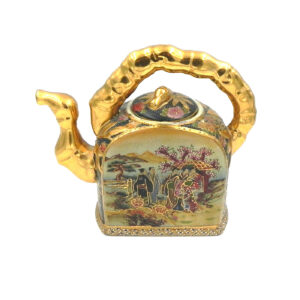
Moriage Teapot
Beautifully detailed, decorative porcelain teapot. Both sides depict a group of geishas. The gold spout and handle are made to look like bamboo. Signed HAND PAINTED ROYAL SATSUMA followed by Chinese characters. In excellent shape.
Add to cart 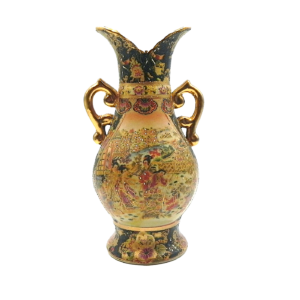
$335.00
Moriage Vase
Beautifully detailed, decorative porcelain vase. Both sides depict a group of geishas. The gold handles and trim are striking. Signed ROYAL SATSUMA.
Add to cart 

$198.00
Motherhood
Atop a crystal block base, the loving relationship between mother and child is captured in this lovely sculpture. The baby bird peers up and meets its mother's beak to be fed.
Read more 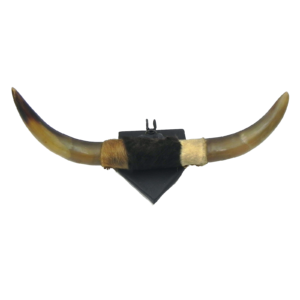
$156.00
Mounted Steer Horns
These horns have been polished and mounted with the hide. A great welcome into the man cave.
Read more 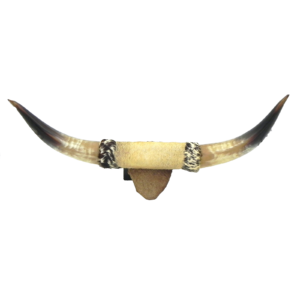
$196.00
Mounted Steer Horns-With Black and White Hide
These horns have been polished and mounted with the hide. A great welcome into the man cave.
Read more 
$250.00
Nambé Candle Holders (set of 2)
Aluminum Nambé Candle Holders! Statement pieces. Gorgeous dancing flames from these stunning works of art.
Read more 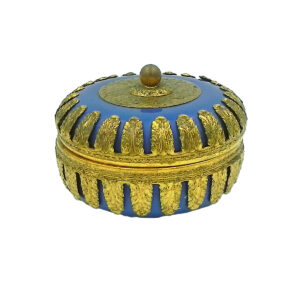
$125.00
Napoleon 111 Cobalt Blue Ceramic Box
Gorgeous lided box reminiscent of the Napoleonic era. The box is surrounded by a frieze in gilded bronze replicating the acanthus leaves. Most likely from Czechoslovakia. A vintage piece.
Read more 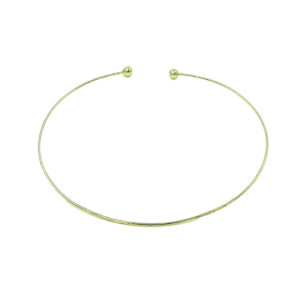
$28.00
Narrow Brass Collar
Solid brass collar with ball detail. Enjoy the simplicity of brass. Patina over the years will make this stunning piece more beautiful.
Add to cart 
$35.00
National Geographic the Photo Ark
The lush and unique photography in this book represents National Geographic's Photo Ark, a major initiative and lifelong project by photographer Joel Sartore to make portraits of the world's animals--especially those that are endangered. His powerful message, conveyed with humor, compassion, and art: to know these animals is to save them. Sartore is circling the globe, visiting zoos and wildlife rescue centers to create studio portraits of 12,000 species, with an emphasis on those facing extinction. With a goal of photographing every animal in captivity in the world, he has photographed more than 6,000 already and now, thanks to a multi-year partnership with National Geographic, he may reach his goal. This book showcases his animal portraits: from tiny to mammoth, from the Florida grasshopper sparrow to the greater one-horned rhinoceros. Paired with the eloquent prose of veteran wildlife writer Douglas Chadwick, and an inspiring foreword from Harrison Ford, this book presents a thought-provoking argument for saving all the species of our planet.
Read more 
$50.00
Natural Tones with a Blue Accent Basket
Useful and beautiful. Let this basket organize your home and bring beauty to your life.
Read more 
$75.00
Natural Tones Woven Basket
Useful and beautiful. Let this basket organize your home and bring beauty to your life.
Add to cart